Erlita Art & Photography
  • Home
  • Timeline
  • Albums
  • Contact Us / Order
  • Comments
  • About me
  • Follow me @ Instagram
Home / Tags / philly
Share
Content Published November 4, 2020

Ringgold Place House

Ringgold Place House or known as the 1900 block of Waverly Street is comprised of 16 rowhomes, each 14 feet wide by 20 feet deep, with the 9-step front stoops accommodating a raised basement kitchen at street level. Waverly is barely the width of a sedan, with no street parking. When these properties were built in 1862, the street was called Ringgold Place, after Colonel Samuel Ringgold. Stone inlays bearing that name can still be seen on the corner properties(reading, “The Ringgold Place Houses (Built 1862) have been registered on the National Register of Historic Places.”). Construction during the Civil War era necessitated the small size and simple design of the houses, due to the scarcity of materials in wartime.

The small size was also due to their original use as workers’ housing, likely for the Berkshire Cotton Mill located on the next block at 20th Street and Ringgold Place. While 1,000 square feet may seem petite for one family, it is possible that multiple families may have occupied each rowhouse on Ringgold Place! The multiple door (basement and first floor) entries lend themselves to subdivision, and the tendency at the time was to squeeze workers into small quarters and to make the most out of existing housing stock. By 1895 the Berkshire Mills was closed, and the homes promptly transformed into more fashionable abodes, largely encouraged by the growing influence of Rittenhouse Square.

In 1925, architect George Howe purchased the block, and proceeded to update the properties, clean the facades, and added some decorative elements. The corner property of 1900 Waverly served as his office while working on his acclaimed PSFS building. He sold the homes in 1934.

Ringgold Place formally changed to Waverly Street sometime between 1895-1942, and the block was added National Register of Historic Places in 1983. (solorealty)

architecture building historicalbuilding philadelphia philly photography

See more in buiding, fall/autumn, historial building, photography

Share
Content Published November 4, 2020

Frozen River

Why do the river freeze? The deeper and wider the river, and the faster the water flow, the less likely it is to freeze. Moving water generates friction, which heats the water (even if only a bit).

In the event that smaller rivers or streams freeze through from the surface to the river bed, fish will most likely already have escaped the impending ice trap by making a temperature-triggered journey from their summer habitats to their more suitable winter ones.

In larger rivers, although they may appear completely frozen, a column of water usually remains liquid below the thick layer of ice. Fish have developed unique physical and behavioral adaptations that allow them to thrive there. Most fish, fresh and marine alike, are poikilothermic, meaning that the temperature inside their body is determined by the temperature of the water around them. So, much like the way humans are less active during cold winter weather, most aspects of fish activity changes in winter waters.

Physical adaptations to winter conditions include a significantly slowed metabolism and slowed swimming abilities. Essentially, fish rely on the lowest energy input and output that they can withstand, hiding out under the ice until waters begin to warm again. Although this makes it difficult for fish to search for food and avoid predators, fish have developed several behavioral adaptations as a trade-off. As winter sets in, fish undergo changes in habitat preference, searching for areas of the river with larger boulders and rocks under which they can hide. They also shift to more overall activity at night; mostly as a means to avoid daytime predation, but also to escape the possibility of being trapped in their rocky hiding places by overnight formations of ice on the river bed. If these submerged ice clusters (called anchor ice,) form in the wrong place during colder nighttime temperatures, they can block the fish’s way out of their hiding place.

(cincinnati.com, fishbio.com)

nature outdoor outdoornature philadelphia philly photography river water

See more in nature, Out door/ Nature, river

Share
Content Published October 25, 2020

Independence Hall's Clock

In 1752, when Isaac Norris was selecting a man to build the first clock for the State House, today known as Independence Hall, he chose Thomas Stretch, the son of Peter Stretch his old friend and fellow council member, to do the job.

In 1753 Stretch erected a giant clock at the building's west end that resembled a tall clock (grandfather clock). The 40-foot-tall (12 m) limestone base was capped with a 14-foot (4.3 m) wooden case surrounding the clock's face, which was carved by Samuel Harding. The giant clock was removed about 1830. The clock's dials were mounted at the east and west ends of the main building connected by rods to the clock movement in the middle of the building. A new clock was designed and installed by Isaiah Lukens in 1828. The Lukens clock ran consecutively for eight days, "with four copper dials on each side that measured eight feet in diameter and clockworks that ensured sufficient power to strike the four-thousand pound bell made by John Wilbank." The Lukens clock remained in Independence Hall until 1877.

By mid-1753, the clock had been installed in the State House attic, but six years were to elapse before Thomas Stretch received any pay for it.

architectural element independence hall philadelphia philly photography

See more in "architectural elements", historial building, photography

Share
Content Published October 24, 2020

Cozy under trees

A tree’s growth is based, in part, on competition from its neighbors. Its first priority is to gain access to the sun, and in a forest up is the only way to go.

But this explains why a tree grows tall, not how. How tall a tree will grow is dictated partly by its genes. A tree’s height is also dictated by environmental conditions. Most trees are capable of being taller than they actually are, they’re just limited by deficiencies in light, water, or nutrients.

The tallest trees on the planet are coast redwoods. why? It comes down to water – not so much water supply, but the physics of moving water. We all know trees need water and that it comes from the ground. Transporting water from the roots, on through the trunk, and up to the leaves is a challenge. Unlike in animals, a tree’s vascular system has no heart; there is no pump of any kind. Water is not pushed up the tree. Instead, it is pulled from above: water molecules tend to stick to each other and to other substances. When moisture evaporates from the surface of a leaf, it pulls along a column of water that extends all the way back to the roots. The water is pulled from the soil to replace what was lost above. As a tree grows taller, it becomes increasingly difficult to get water to its topmost leaves. Eventually, this leads to drought stress and reduced photosynthesis and growth.

All trees have to deal with this reality of physics, but those lanky redwoods deal with it better than any others. And according to some researchers, their superiority may derive largely from the fog in which they live. Gigantic redwoods exist only in a narrow band along a few hundred coastal miles in northern California. They grow in wet temperate forests in steep valleys, buffered against wind, and receive well over 100 inches of precipitation annually. These forests are marked by consistently cool, moist conditions and an abundance of fog.

Evidently, redwoods are able to absorb water from fog directly into their leaves. According to the National Park Service, stewards of the tallest of them, fog accounts for 40 percent of a redwood’s moisture intake. So instead of fighting against the physics of pulling hundreds of gallons of water from the soil through the tree’s complex – and really long – vasculature, they avail themselves of a more handy source. With access to water in the fog right near the leaves, the plumbing problem becomes something of a plumbing advantage.(northernwoodlands)

independence hall park philadelphia philly photography

See more in park, photography

Share
Content Published October 24, 2020

Liberty Bell and Reflection

The Liberty Bell, previously called the State House Bell or Old State House Bell, is an iconic symbol of American independence, located in Philadelphia, Pennsylvania. Once placed in the steeple of the Pennsylvania State House (now renamed Independence Hall), the bell today is located in the Liberty Bell Center in Independence National Historical Park. The bell was commissioned in 1752 by the Pennsylvania Provincial Assembly from the London firm of Lester and Pack (known subsequently as the Whitechapel Bell Foundry), and was cast with the lettering "Proclaim LIBERTY Throughout all the Land unto all the Inhabitants Thereof", a Biblical reference from the Book of Leviticus (25:10). The bell first cracked when rung after its arrival in Philadelphia, and was twice recast by local workmen John Pass and John Stow, whose last names appear on the bell. In its early years, the bell was used to summon lawmakers to legislative sessions and to alert citizens about public meetings and proclamations. (Wikipedia)

independence hall philadelphia philly reflection

See more in documentation, historial building, photography

Share
Content Published October 19, 2020

A hint of fall

The terms "fall" and "autumn" can be used interchangeably in the United States, though, when it comes down to it, it's actually the term "fall" that is more popular in America. "Autumn" came from the Latin word "autumnus," with the root of the word having connotations regarding "the passing of the year." The term "fall" was likely a deviation from the Old English words "fiaell" and "feallan," both of which mean "to fall from a height." It is assumed that this new name for the season was inspired by trees' falling leaves. (bustle)

autumn fall falling leaves nature outdoor outdoornature park philadelphia philly photography

See more in nature, Out door/ Nature, park, photography

Share
Content Published September 2, 2020

Reading Terminal Station

In 1889, the Philadelphia and Reading Railway decided to build a train depot, passenger station, and company headquarters on the corner of 12th and Market Streets. The move came eight years after the Pennsylvania Railroad opened its Broad Street Station several blocks away at 15th and Market Streets, and one year after the Baltimore and Ohio Railroad opened its 24th Street Station at 24th and Chestnut Streets.

ARCHITECTURE:

The headhouse was designed in 1891 by Francis H. Kimball, and the train shed by Wilson Brothers & Company. Construction began that same year, and the station opened on January 29, 1893. At the time, the trainshed was one of the largest single-span arched-roof structures in the world. The following year, the Wilson Brothers would build an even larger trainshed three blocks away, for the Pennsylvania Railroad's Broad Street Station. The Reading's trainshed is now the only such structure left in the United States.

The complex was fronted on Market by an eight-story headhouse that housed the passenger station and company headquarters. Built in the Italian Renaissance style, the headhouse has brick bearing walls with cast-iron columns and timber floors. Interior finishes include molded ornamental plaster and marble with cast-iron detailing.

This station was placed on the National Register of Historic Places in 1972 and was declared a National Historic Landmark in 1976.

Now the remaining space on the concourse levels of the headhouse became retail space. The former Reading Railroad offices on the headhouse's upper floors were converted to meeting and ballroom facilities. It also contains more than 200 rooms for the adjacent Marriott Hotel, to which it is connected by a skywalk and for which it serves as a secondary entrance. (wikipedia)

architecture building philadelphia philly photography station terminal

See more in buiding, historial building, photography, station

Share
Content Published August 13, 2020

Cherry Blossom

A cherry blossom is a flower of many trees of genus Prunus. The most well-known species is the Japanese cherry, Prunus serrulata, which is commonly called sakura

They are widely distributed, especially in the temperate zone of the Northern Hemisphere including Japan, Taiwan, Korea, Mainland China, Nepal, India, Pakistan, Afghanistan, Iran, Myanmar, Thailand, Europe, United States, Canada and West Siberia. Along with the chrysanthemum, the cherry blossom is considered the national flower of Japan.

All varieties of cherry blossom trees produce small, unpalatable fruit or edible cherries..

cherry blossom flower nature outdoor outdoornature philadelphia philly photography

See more in nature, Out door/ Nature

Share
Content Published July 28, 2020

View from Love park

The tallest building on back is Comcast Center Building. In front of it are Suburban Station (left) and Phoenix Luxury Condominium right)

SUBURBAN STATION ===================

Suburban Station is an art deco office building and underground commuter rail station in Penn Center, Philadelphia. Its official SEPTA address is 16th Street and JFK Boulevard. The station is owned and operated by SEPTA and is one of the three core Center City stations on SEPTA Regional Rail. The station was built by the Pennsylvania Railroad to replace the original Broad Street Station and opened on September 28, 1930. The Comcast Center, situated on the north half of its block near Arch Street, adds a "winter garden" on the south side, which serves as a new back entrance to the station, with the commuter rail tracks about 50 feet below street level. .

PHOENIX LUXURY CONDO ===============

Built in 1925, The Phoenix condo is the former headquarters of the Insurance Company of North America (INA), for many years the oldest shareholder-owned insurance company in the nation.

Built in 1925, The Phoenix condo is the former headquarters of the Insurance Company of North America (INA), for many years the oldest shareholder-owned insurance company in the nation.

Awarded National Historic Landmark status, The Phoenix, in its new incarnation, retains opulent details that have graced the structure since its inception—coffered ceilings, Kasota and Carrera marble floors and walls, ornate bronze paneled elevators, and elaborate mill and plaster work. Every care was taken to preserve the historic details of the Georgian Revival Tower while designing and constructing the building with the most modern technologies and amenities available. The coalescence of old-fashioned craftsmanship and contemporary design gives The Phoenix an elegance rarely seen in modern construction. The Phoenix underwent a major renovation in 2002. Every care was taken to preserve the architectural beauty of the Georgian Revival Tower while providing a “new” building with the latest of technologies and energy efficiency

architecture building cityhall park philly photography

See more in apartment, architectural photography, buiding, condo, historial building, photography, skyline skyscaper

Share
Content Published July 28, 2020

Clothes pin

This steel sculpture was completed in 1976 by Claes Oldenburg. It is designed to appear as a monumental black clothespin. Oldenburg is noted for his attempts to democratize art with large stylized sculptures of everyday objects. Made of Cor-Ten steel, Clothespin is praised by art critics for its velvety texture and weathered, warm reddish-brown color.[3] The silvery steel "spring" part of the two-textured work resembles the numerals "76", apt for the United States Bicentennial year. Tying in Philadelphia's colonial heritage with its difficult present, Clothespin addresses the city's civic issues and tries to bridge gaps across income levels through its universally recognized form. The design has been likened to the "embracing couple" in Constantin Brâncuși's sculpture The Kiss in the Philadelphia Museum of Art.

architectural element cityhall philadelphia philly photography sculpture

See more in "architectural elements", sculpture

Share
Album Published November 4, 2018

Religious Architecture

The history of architecture is concerned more with religious buildings than with any other type

church cityhall curch outdoor outdoornature philadelphia philly photography religious place temple

See more in church, Out door/ Nature, photography

Share
Content Published April 26, 2021

Sunset kiss

Kiss me in the same way

The red sun, kisses the sky

Beautifully

Magically

Soft

Melt me away, Into the dark

(Clairel Estevez)

bealpha building femalephotographer nature ourphilly philadelphia philly photography sonyalpha urbanstrretphotography visitphilly whyilovephilly

See more in buiding, cherry blossom, flower, spring, sunset

Share
Content Published April 26, 2021

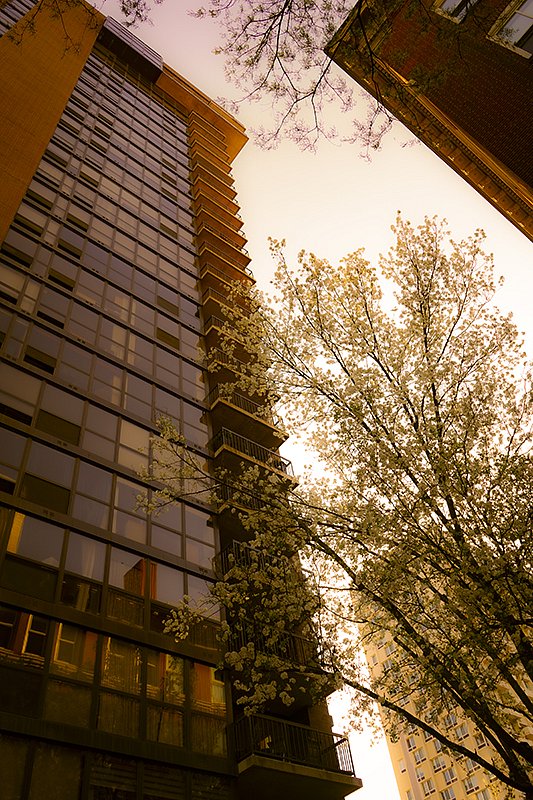
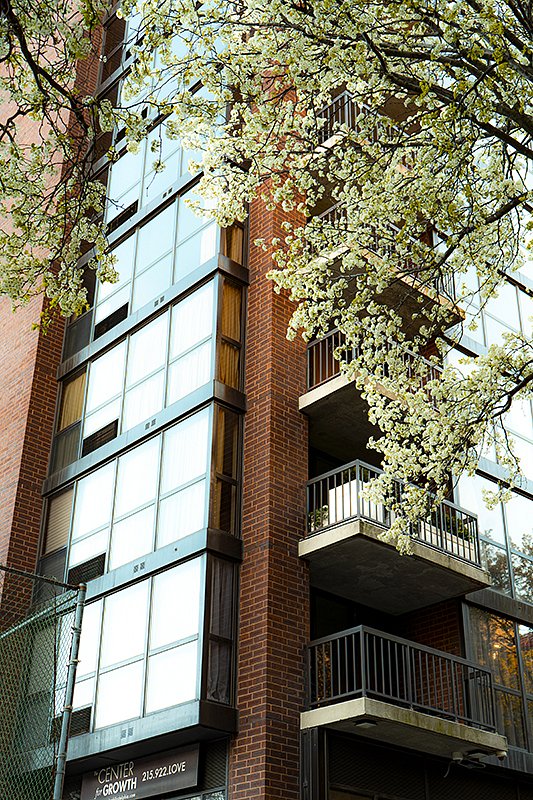
Flowers outside apartement

Love is like wild flowers. It's often found in the most unlikely places -anonymous

bealpha building femalephotographer nature ourphilly philadelphia philly photography sonyalpha urbanstrretphotography visitphilly whyilovephilly

See more in apartment, buiding, flower, spring

Share
Content Published April 26, 2021

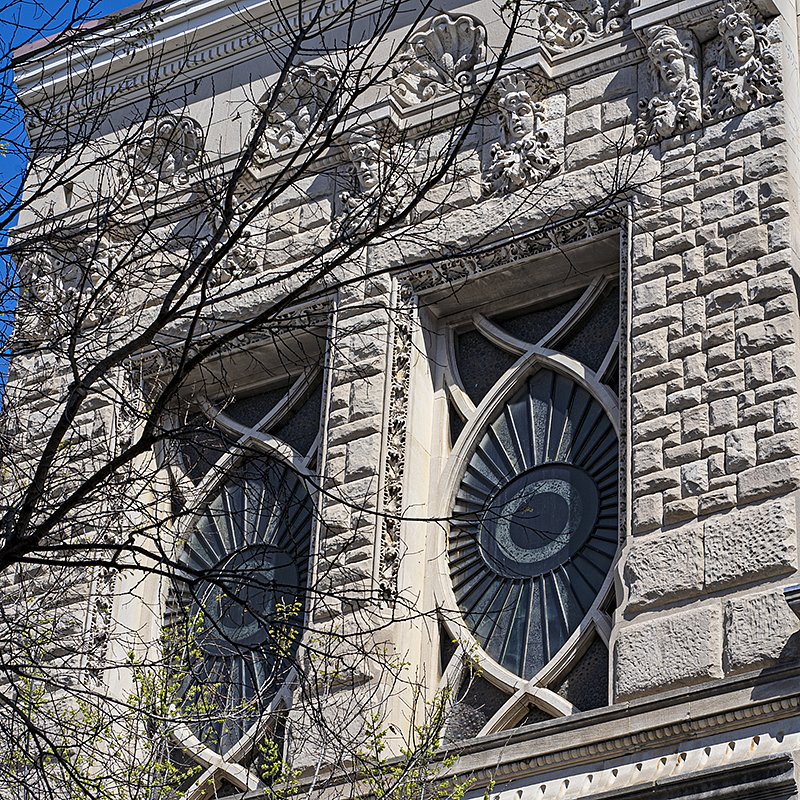
It has eyes

It's less what the eye sees and more what the soul feels

bealpha building femalephotographer ourphilly philadelphia philly photography sonyalpha urbanstrretphotography visitphilly whyilovephilly

See more in "architectural elements", buiding, photography

Share
Content Published April 19, 2021

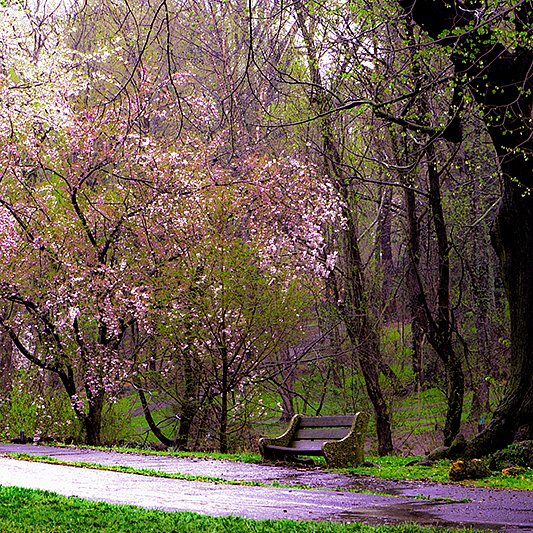
An Empty Bench

Silence is not empty, it is full of answers

bealpha femalephotographer nature outdoor outdoornature park philadelphia philly phillynature photography sonyalpha spring21 visitphilly

See more in cherry blossom, citylife, flower, Out door/ Nature, park, photography, spring

Share
Content Published April 19, 2021

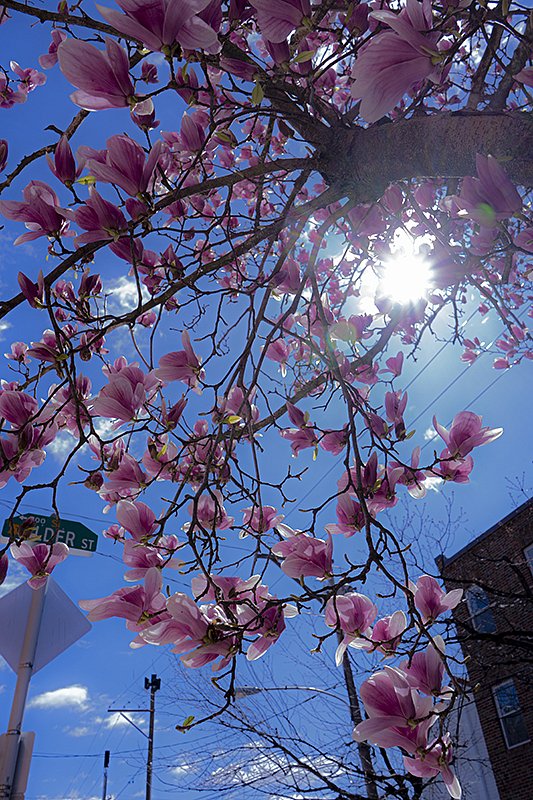
Magnolia in sunny day

Can you really feel the warmth I sent you? The warmth that brings hope, courage and love

The hope for new days of chances and possibilities.

The courage to be a better self, that we owe to ourselves and others

The love is the only thing that made us, was born of, live for and die for...

femalephotographer nature outdoor outdoornature philadelphia philly phillynature photography sonyalpha spring21

See more in flower, photography, spring

Share
Content Published April 19, 2021

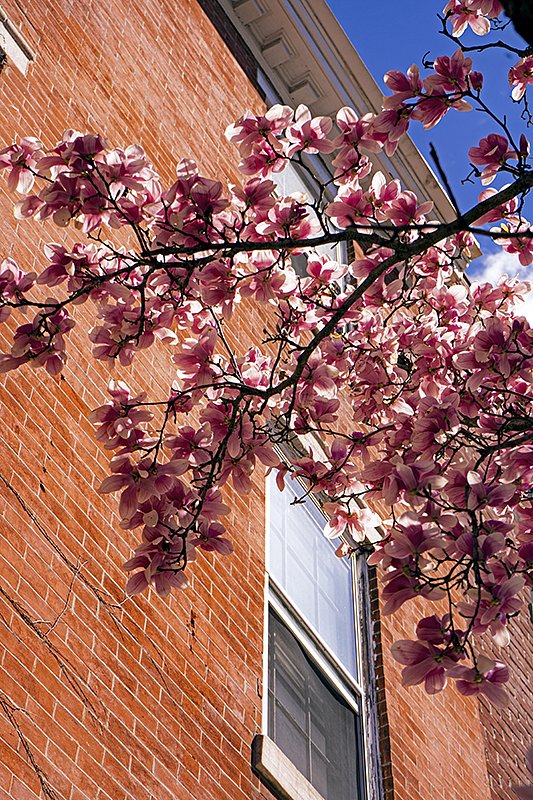
Magnolia by the window

Faith goes up the stairs that love has built and looks out the window which hope has opened.

nature outdoor outdoornature philadelphia philly phillynature photography sonyalpha spring21 visitphilly

See more in flower, Out door/ Nature, photography, spring

Share
Content Published October 24, 2020

Independence Hall

Independence Hall is the building where both the United States Declaration of Independence and the United States Constitution were debated and adopted. It is now the centerpiece of the Independence National Historical Park in Philadelphia, Pennsylvania.

The building was completed in 1753 as the Pennsylvania State House, and served as the capitol for the Province and Commonwealth of Pennsylvania until the state capital moved to Lancaster in 1799. It became the principal meeting place of the Second Continental Congress from 1775 to 1783 and was the site of the Constitutional Convention in the summer of 1787.

A convention held in Independence Hall in 1915, presided over by former US president William Howard Taft, marked the formal announcement of the formation of the League to Enforce Peace, which led to the League of Nations and eventually the United Nations. The building is part of Independence National Historical Park and is listed as a World Heritage Site.

building independence hall philadelphia philly photography

See more in buiding, historial building, photography

Share
Content Published September 14, 2020

Pennsylvania Hospital

Pennsylvania Hospital is a private, non-profit, 515-bed teaching hospital located in Center City Philadelphia and is part of the University of Pennsylvania Health System. Founded on May 11, 1751, by Benjamin Franklin and Dr. Thomas Bond, Pennsylvania Hospital is one of the earliest established public hospitals in the United States. It is also home to America's first surgical amphitheatre and its first medical library. The hospital's main building, dating to 1756, is a National Historic Landmark.

The seal of the hospital, chosen by Franklin and Bond, incorporates the story of the Good Samaritan; the phrase "Take Care of Him and I will repay Thee" is used on it.

Built : December 17, 1756

Architect : Samuel Rhoads

Architectural style : Colonial and Federal (Pine Building)

(wikipedia)

architecture building hospital philadelphia philly photography

See more in buiding, historial building, hospital, photography

Share
Content Published September 14, 2020

Walking on falling cherry blossom

" Catching a falling cherry blossom makes your first love come true."

Cherry blossoms, also known as sakura in Japan, are the small, delicate pink flowers produced by cherry blossom trees.

Cherry blossoms hold elevated status in China, signifying love and the female mystique (beauty, strength and sexuality)

Tied to the Buddhist themes of mortality, mindfulness and living in the present, Japanese cherry blossoms are a timeless metaphor for human existence. Blooming season is powerful, glorious and intoxicating, but tragically short-lived — a visual reminder that our lives, too, are fleeting.

Sakura have therefore always signalled the beginning of spring, a time of renewal and optimism. With the blooming season coinciding with the beginning of the Japanese calendar year, they also bring hope and new dreams at a time. When n cherry blossoms are in full bloom, the future is bursting with possibilities

(notwithoutmypassport.com).

cherry blossom falling flower floer outdoor outdoornature park philadelphia philly photography

See more in cherry blossom, falling flower, flower, nature, Out door/ Nature, park, photography

Tags
  1. 126

    photography

  2. 116

    philadelphia

  3. 85

    philly

  4. 60

    outdoor

  5. 37

    outdoornature

  6. 30

    building

  7. 26

    park

  8. 25

    nature

  9. 22

    architectural element

  10. 22

    architecture

  11. 17

    femalephotographer

  12. 16

    sonyalpha

  13. 14

    bealpha

  14. 14

    cityhall

  15. 12

    river

  16. 11

    church

  17. 10

    bridge

  18. 9

    water

  19. 7

    independence hall

  20. 7

    reflection

Featured albums
  • Religious Architecture

    The history of architecture is concerned more with religious buildings than with any other type

  • Landmarks & Historial Buildings/ Objects

    As the birth place of USA, Philadelphia is packed with a lot of landmarks and historical buildings/ sites.

  • Philadelphia Corners

    The corners of Philadelphia that we know, see, and pass everyday, We just need to stop for awhile, let them entertain you so we can be grateful for being alive.

  • Architectural sculpturs/objects

    Architectural sculptures or objects/elements, either integrated with the structure or freestanding works, they are part of the original design.

  • Surrounding cities

    The beauties of surrounding cities and counties around Philadelphia.

  • Nature

    Nature is powerful and wise in its silence. It has endless amount of patience and unconditional love. After all, Nature is just simple and source of inspirations

  • Arts

    The expression or application of human creative skill and imagination, typically in a visual form, producing works to be appreciated primarily for their beauty or emotional power.

3 of 4
  1. <
  2. 1 2 3 4
  3. >
Tweet
  • Home
  • Timeline
  • Albums
  • Contact Us/ Order
  • Comments
  • About me
  • Tags
  • Leave Comment
© 2018